Strip and vehicle installations
LED strip behind televisions and under stairs and cabinets, aquarium lighting, and ambient lighting in cars and on motorcycles. The guides give the strip length against the power supply, the wiring of dual-white strip, the sensor positions on a stair, and the routing and power take-off in a vehicle.
Power is the limit far more often than the light is. Dim far ends, colour drifting warm along a run, flicker that only appears on bright content — these look like faulty strip and are almost always the supply, the cable, or where the power enters.
Adhesive is positioning, not mounting. Tape holds strip while you decide where it goes. What keeps it there for years is a mechanical retainer, a channel, or a clip. This is true behind a warm television and doubly true on a vehicle.
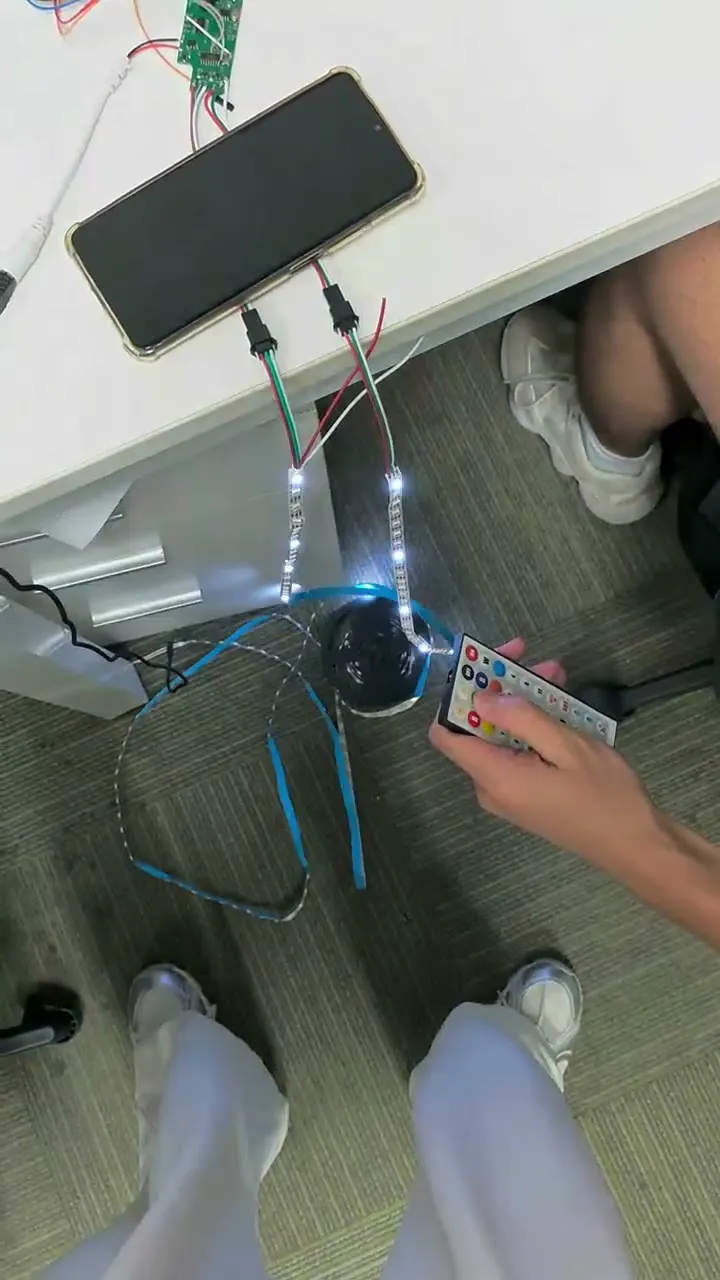
Start here: power and length
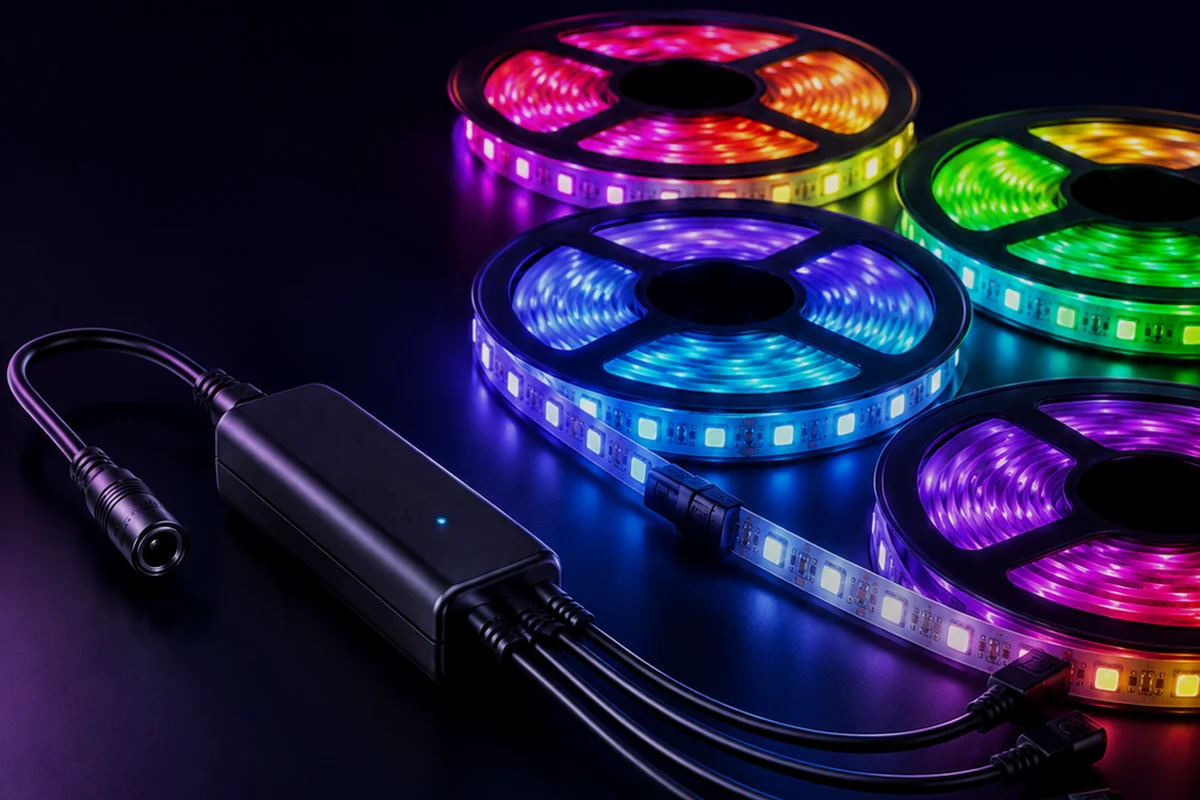
LED strip: sizing the supply and fixing a dim far end
Working out what your run draws, why the controller and not the supply is usually the real limit, why the far end of a long run goes dim and drifts red, and where to inject power to fix it. Also when to stop extending and start a second run.
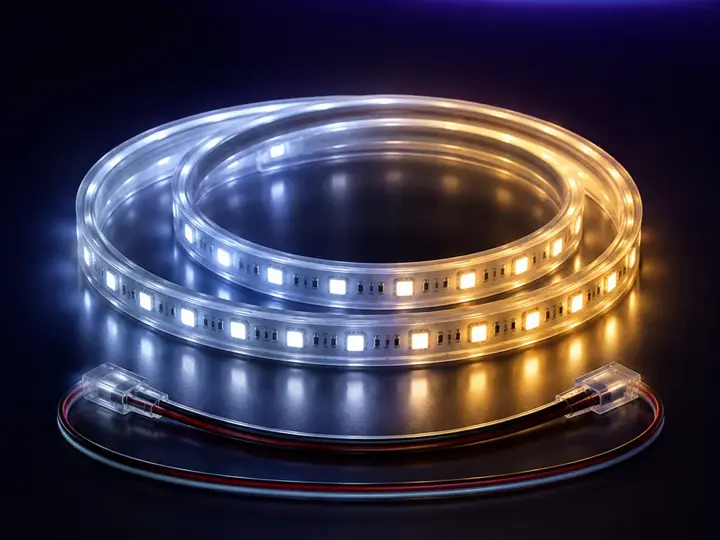
Dual-white strip: 2-wire vs 3-wire, and which one dims cleanly
Tunable-white strip comes in two wiring schemes that look identical on the reel. How each one mixes warm and cool, why the 2-wire scheme loses colour precision as you dim, what the kelvin number on the box does and does not promise, and which to specify for task versus atmosphere.
Around the home
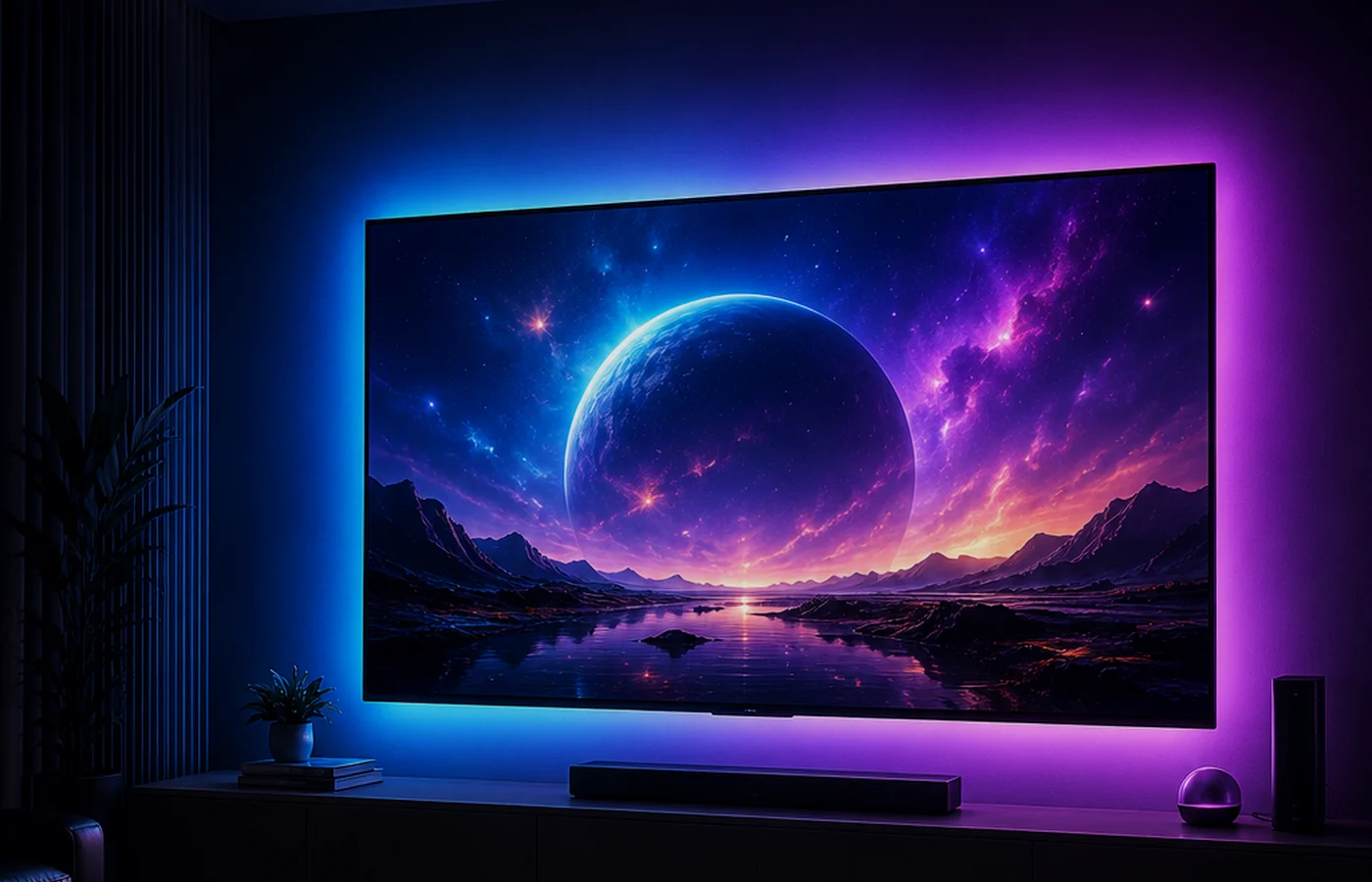
TV backlighting: sizing, layout and getting the strip to stay put
Exact strip length for 43" to 85", why three sides beat four, how to turn a corner without cracking the strip, what bias lighting does that colour sync does not, and why adhesive lets go behind a television.

Cabinet lighting: glare, reed switches, and driver capacity
Why under-cabinet strip mounted flush causes eye-level glare and a recessed lip fixes it, when a door-activated reed switch beats always-on lighting, and how many cabinets one driver actually supports before the far end dims.
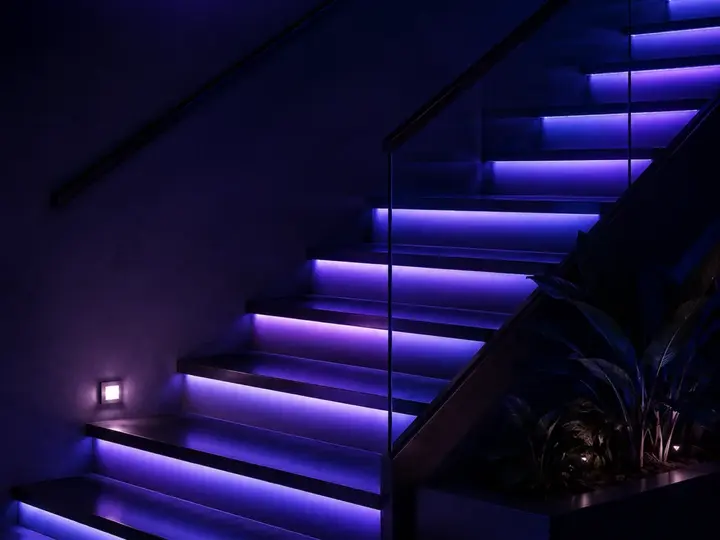
Stair lighting: placement, and why the sensor triggers from the wrong place
Three mounting positions and what each does to glare, why a motion sensor at the top of a flight fires from the landing instead of the stairs, and setting a dwell time for the slowest reasonable trip down.
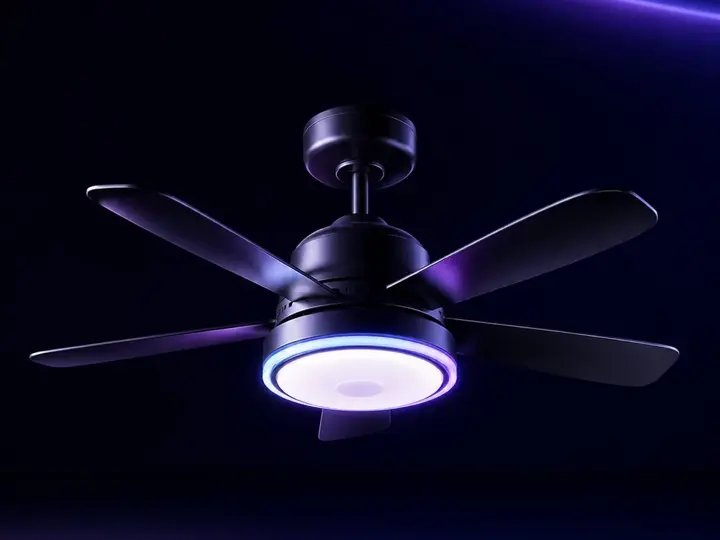
Ceiling fan lights: why the wall switch breaks smart control
The wiring habit that disconnects a fan light from its app every time, why these run on mesh networking rather than plain Bluetooth, and the strobe effect a spinning blade can cause under a dimmed light.
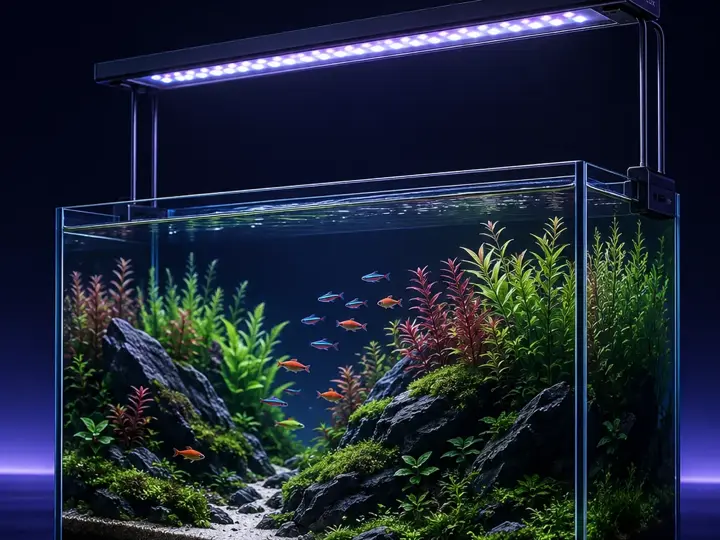
Aquarium lighting: sizing, mounting and what it will not do
Sizing to the actual hood opening rather than the tank's marketed size, why condensation and not splashing is the real hazard above the waterline, and an honest answer on whether this is a reef or planted-tank grow light.
Vehicles
Vehicle lighting is the one area on this site where the rules are not a matter of taste. Both guides below cover the low-voltage side only, and both open with the legal and safety limits rather than burying them. We cannot advise for a specific jurisdiction — requirements differ by country and often by state — so treat these as a checklist for the rules where you actually drive.
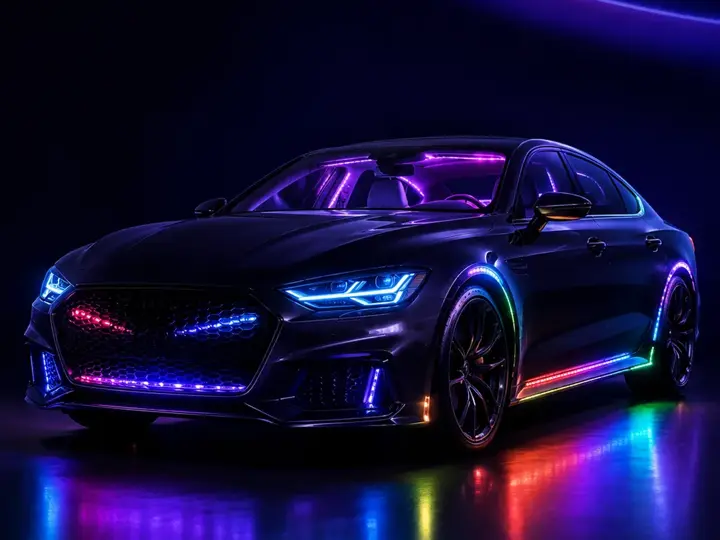
Car interior ambient lighting: routing, power, and what not to touch
Where the cable actually goes through the trim, four power options ranked, the windscreen reflection test you must do at night, the airbag paths that are off limits, and what parasitic drain really costs over a fortnight parked.
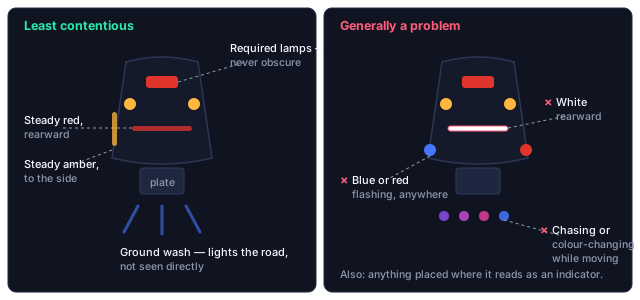
Motorcycle rear lighting: what decorative LEDs can and cannot do
What must never be replaced or obscured, why vibration and wheel spray kill these installs in a predictable order, powering one without stressing a small charging system, and an honest answer on whether decorative strip helps you be seen.
Before you glue anything down
Confirm the light actually works with the app you have, at the length you intend, on the bench. Which app controls your light sorts out pairing, and wrong colours covers the channel-order fix — both are far easier to work through before the strip is in place.